Why This Walk Matters
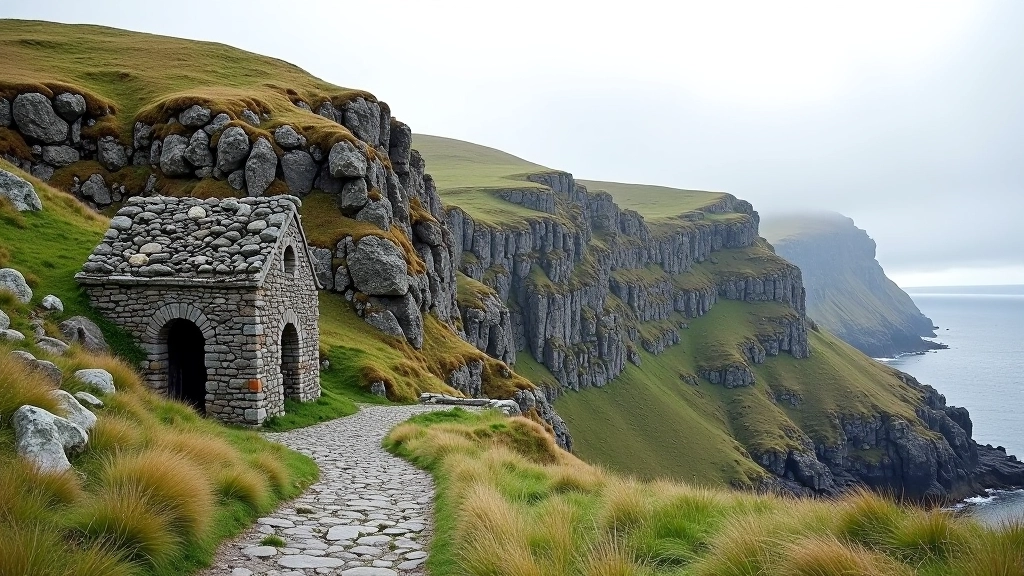
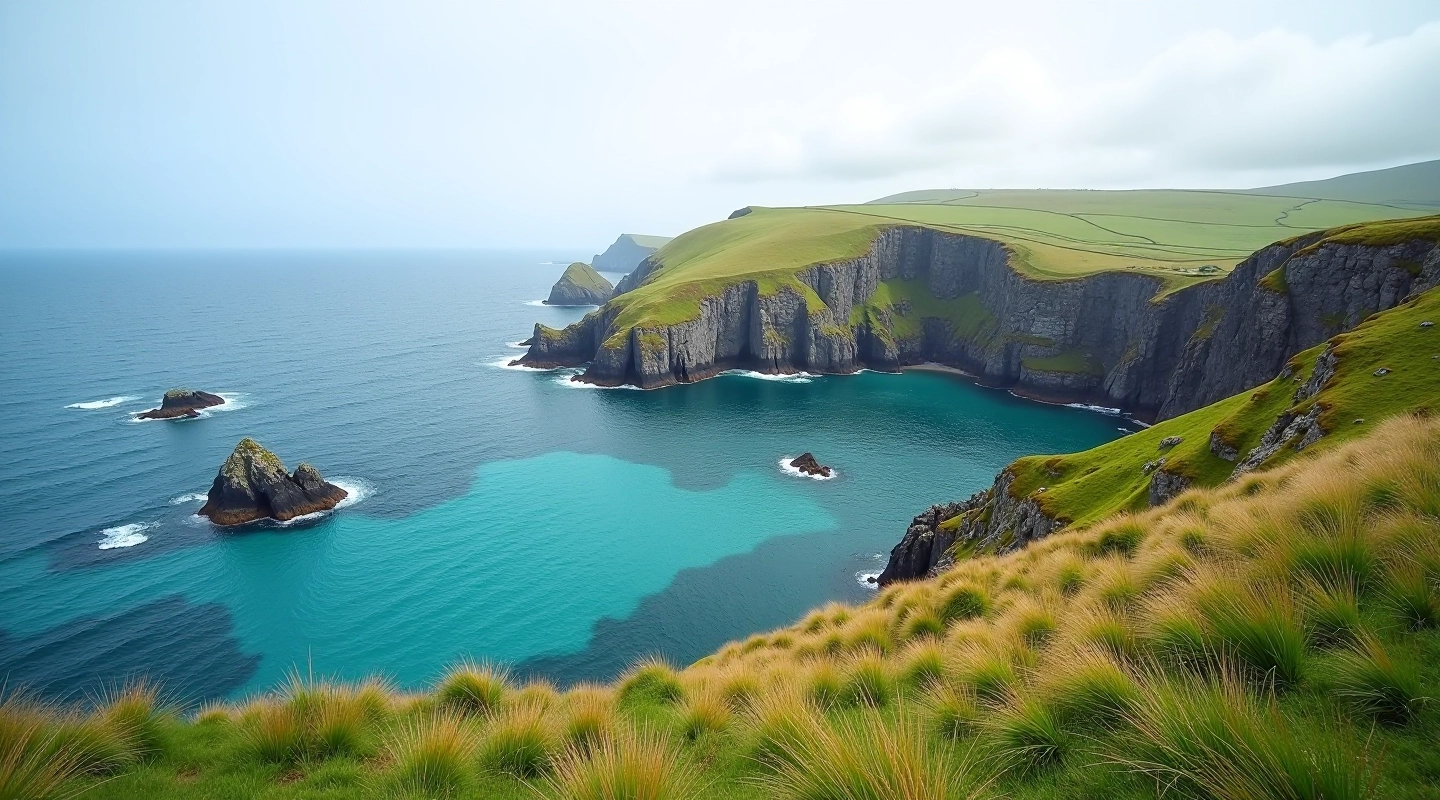
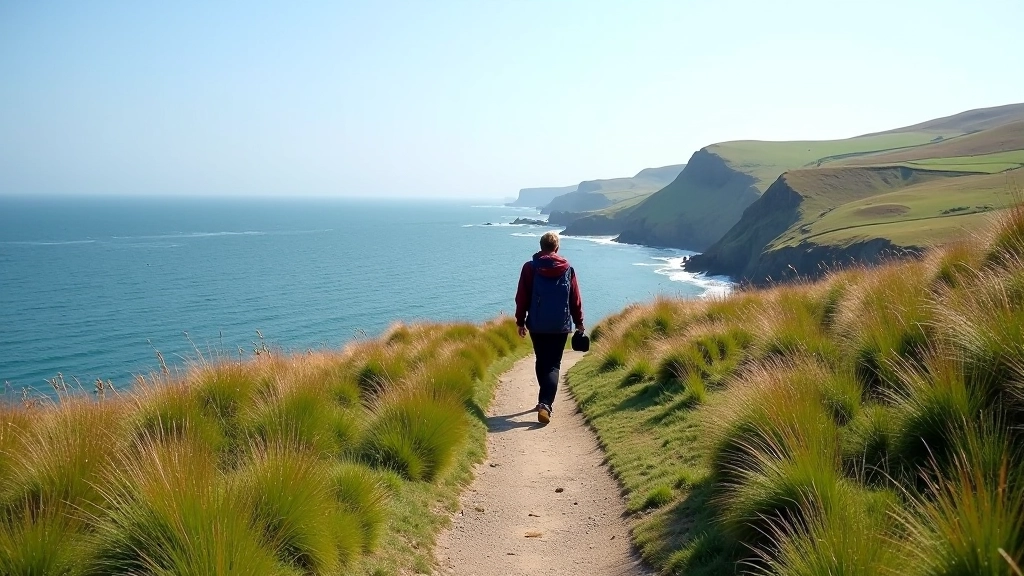
The Beara Peninsula shore walk isn't just another coastal trail. It's a journey through some of Ireland's most dramatic scenery, where rocky headlands meet Atlantic waves and quiet beaches reveal ancient geological stories. This route works well for people of varying fitness levels because you're not fighting steep climbs the whole way — there's rhythm to it. You'll find sections where you can take your time, rest points with real views, and paths that feel manageable underfoot.
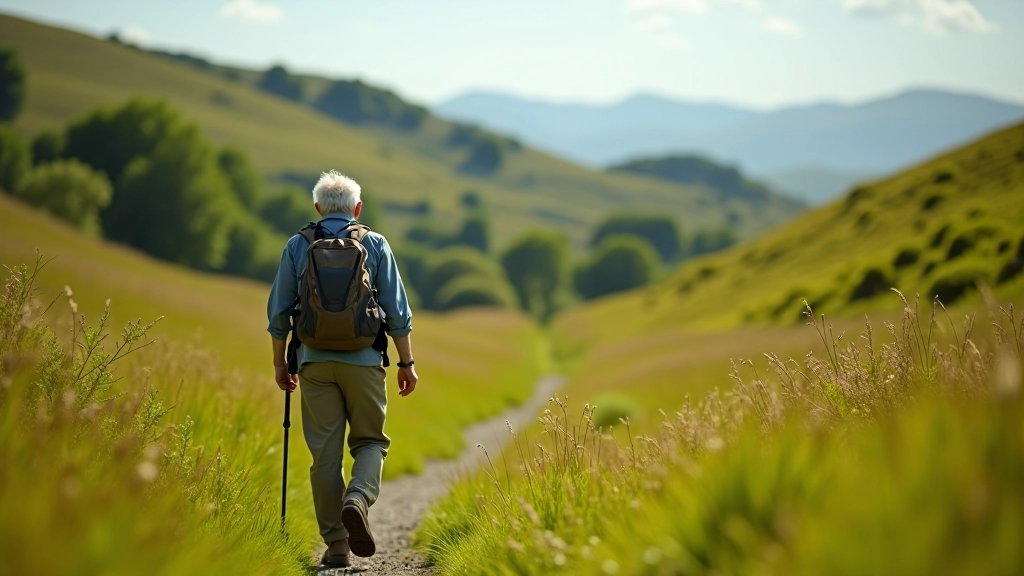
What makes it special for walkers who want accessible routes? The terrain changes. You're not trudging the same surface for hours. Some sections are firm sand. Others are grassy cliff paths. A few bits have loose stone, but nothing treacherous if you're watching your footing. We've spent time on this route in different seasons, and it genuinely improves with planning — knowing when to go, where to start, and what conditions suit your pace.
Route Basics: What You're Getting Into
The Beara Peninsula shore walk spans roughly 8 kilometres (about 5 miles) if you're doing the main loop from Castletownbere. Walking time sits between 2.5 to 3.5 hours depending on pace and stops. It's not a race. Most people we've seen on this route aren't rushing — they're stopping to photograph cliff formations, chat with other walkers, or just stand and listen to the ocean.
The elevation gain totals around 150 metres spread across the walk, which means you're not facing one brutal climb. It's gentle rolling rather than steep pushing. The highest point gives you views across Dunlough Bay, and on clear days you can see toward Mizzen Head. Surfaces include coastal paths (firm and well-maintained), grassy headlands, and short sections of rocky shore. We'd say it's suitable for anyone with moderate fitness — not a challenge walk, but not a flat stroll either.
Quick Stats
- Distance: 8 km (5 miles)
- Time: 2.5–3.5 hours
- Elevation gain: 150 metres
- Terrain: Coastal path, grass, firm sand
- Best season: May–September
The Geology That Shapes the Walk
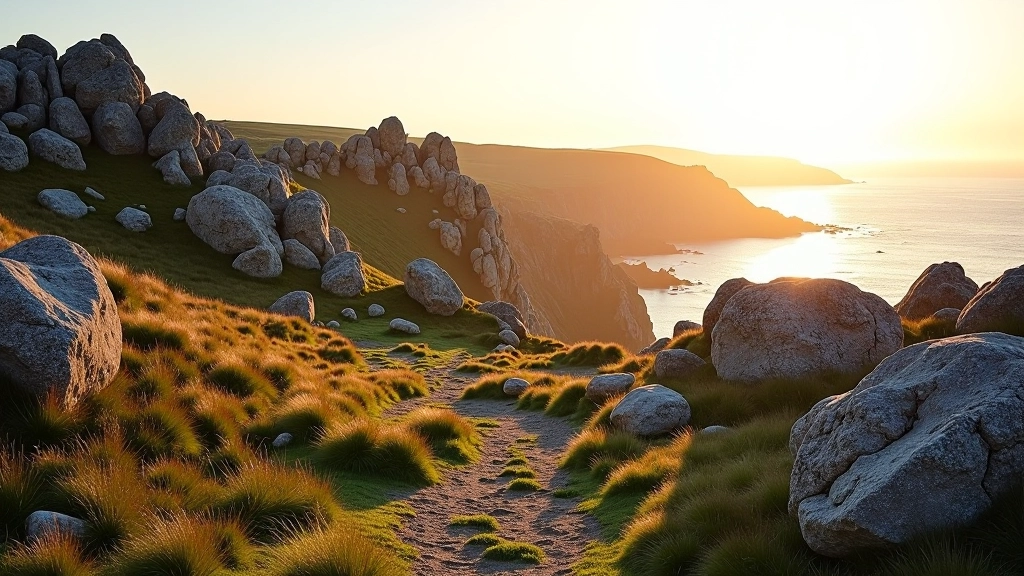
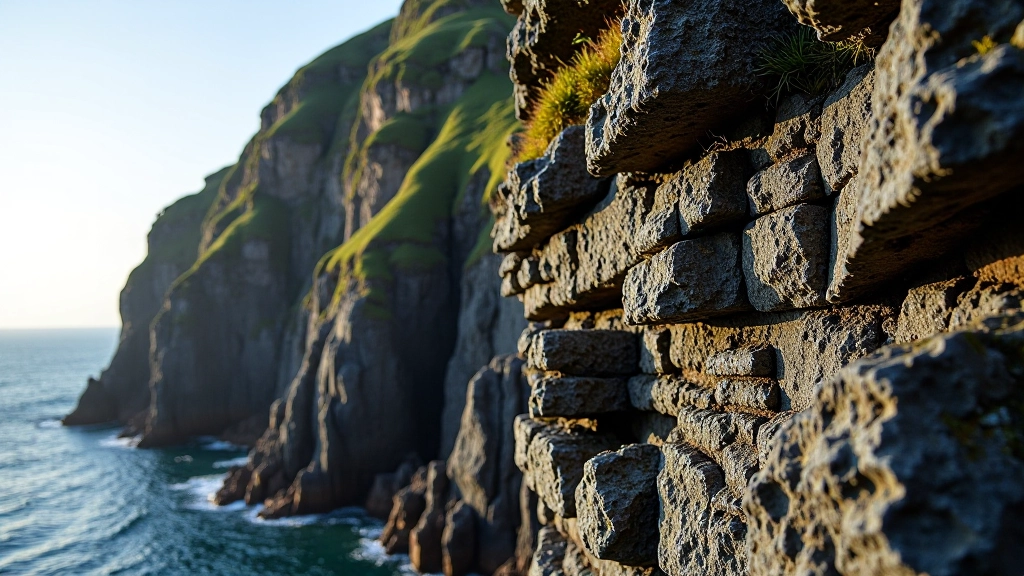
These cliffs aren't random rock formations. You're walking past Old Red Sandstone and metamorphic rock that tells a story spanning 350 million years. The formations you see — the reddish tones, the banding in the rock faces — that's the same geological foundation that made the Allihies copper mines possible. Copper wasn't the only valuable thing under these hills; the rocks themselves are valuable to understanding Ireland's geological history.
What does this mean for your walk? It means the cliffs are stable but weathered. The stone breaks in interesting ways. You'll see natural archways, sea stacks (isolated rock pillars), and caves carved by centuries of Atlantic waves. The variation in rock type means the coastline isn't uniform — some sections are sheer, others fractured into smaller peaks. This variation is what keeps the walk visually interesting. And it's why the terrain feels different in different sections rather than monotonous.
Wildlife You'll Encounter (And How to See More)
The Beara Peninsula is home to seabirds, seals, and occasionally dolphins — though you won't necessarily see all of them on one walk. Razorbills and guillemots nest on the cliff ledges between April and August. They're impressive birds with sharp diving ability. You'll spot them more often if you walk early morning when things are quieter. Fulmars glide along the cliff edges year-round; they're almost impossible to miss once you know what you're looking for (they look like gulls but move differently in the air).
Grey seals are genuinely common around the rocky shore areas, especially in the coves. They're curious and don't mind you at a distance. We've seen groups of 5–10 hauled out on rocks, just watching walkers go by. The rule is simple: watch them, don't approach. They'll stay still until you're closer than about 50 metres, then they'll slip into the water. That's normal behaviour, not fear. In terms of timing, you're more likely to see seals on lower tide when the rocks are more exposed.
Tip: Bring binoculars if you're interested in birdwatching. The birds are far more impressive through magnification, and you'll avoid disturbing nesting sites by keeping distance.

Practical Considerations: Timing, Conditions, Rest Points
Best Times to Walk
May through September offers the most reliable weather and longest daylight. July and August are warmest but also busiest. June is quieter with excellent light. Late May and early September are underrated — you get decent weather with fewer people. Winter (November–February) is possible but involves strong winds, lower light, and potentially wet conditions that make the terrain trickier.
Weather Watch
Atlantic wind is constant on this peninsula. Don't underestimate it. A forecast showing 20 km/h wind feels different on an exposed cliff path than on flat ground. Rain comes quickly and passes quickly. Bring a waterproof layer even on days that look clear. The temperature at sea level is cooler than inland — dress in layers you can adjust as you walk.
Rest and Recovery
There's a small car park at Castletownbere village with toilets. About halfway through the walk, you'll find natural resting spots on the grassy sections with views. No formal benches, but rocks and grass work fine. Bring water and snacks. The nearest café is back in Castletownbere (roughly 2 km away if you start from the village). Plan accordingly — this walk doesn't have facilities mid-route.
Footwear and Grip
Walking boots with ankle support are genuinely useful here. Not because it's technical terrain, but because loose stone sections and sloped grass benefit from good grip and support. Trail shoes work if you're confident on uneven ground. Avoid flat-soled shoes. The sand sections feel fine in trainers, but you'll want proper hiking shoes for the cliff paths and grassy slopes.
Important Information
Choose activities that match your fitness level. Check local conditions before travelling — weather can change quickly on coastal routes. Speak with your GP if you have health concerns before starting a new activity. This guide is informational. Conditions on the ground change with seasons and weather. Always carry water, wear appropriate footwear, and let someone know your route.
Making the Most of Your Time on the Beara
This walk delivers what many people come to the southwest for — wild coastline, geology that tells a story, and space to think. It's not remote in the sense of being unreachable, but it feels remote because you're away from roads and crowds. You'll notice the silence (except for wind and waves). You'll notice the light changing across the water. These are the things that stay with you after the walk is done.
We'd say go in May or June if you can. The weather's more stable than spring, the daylight is long, and you won't be fighting summer crowds. Bring good boots, layer your clothing, and plan for a full afternoon. Eat somewhere in Castletownbere afterward — the village has a few cafés and you'll want to sit down and process what you've seen. The Beara Peninsula shore walk isn't difficult, but it is genuinely memorable.