Getting Started with Coastal Walks
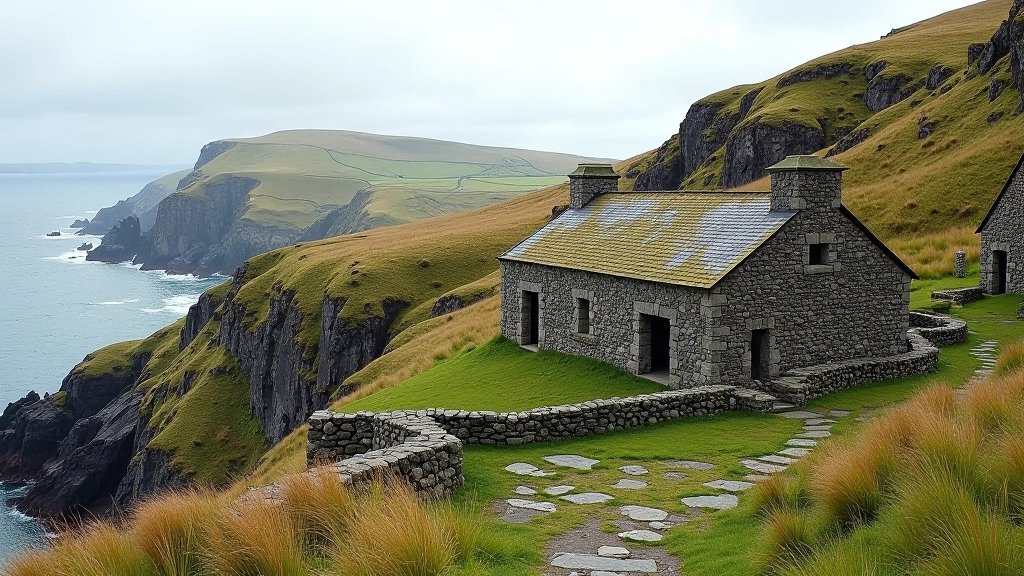
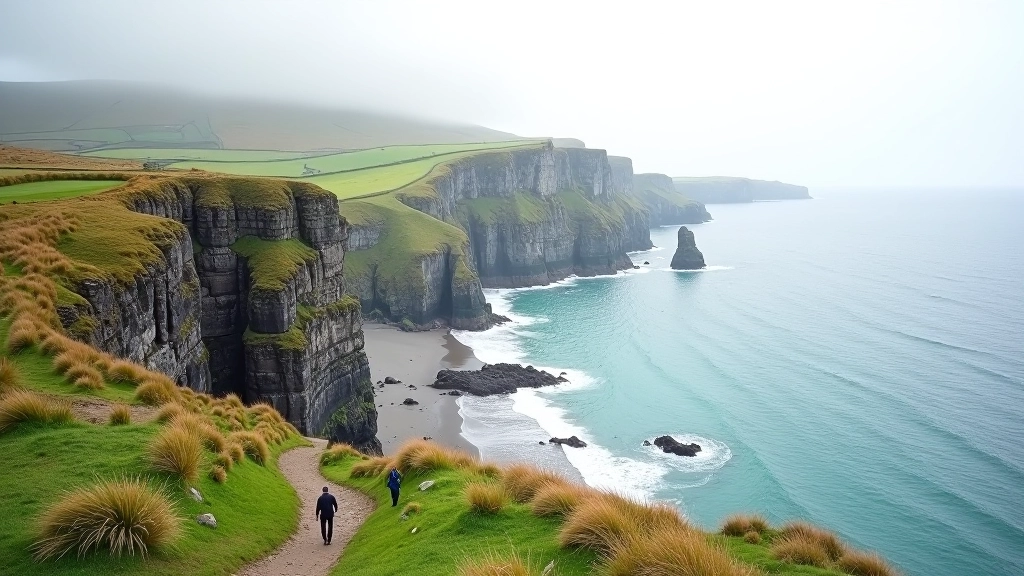
Walking isn't just exercise — it's a way to explore Cork's stunning coastline at your own pace. Whether you're looking to tackle the Allihies copper mines trail or enjoy a gentler stroll along the Beara Peninsula shore, there's a route that'll work for you.
The key? Planning properly. You'll want to know what surfaces you're walking on, where you can rest, and how to build distance gradually. We've walked these trails ourselves and understand what makes the difference between a brilliant day out and one that leaves you exhausted.
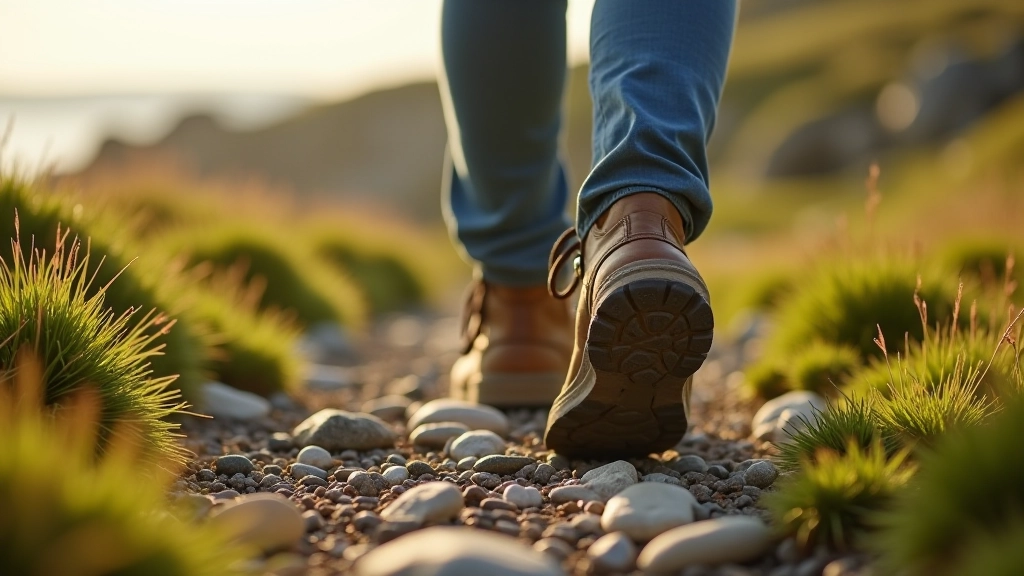
Understanding Trail Surfaces and Conditions
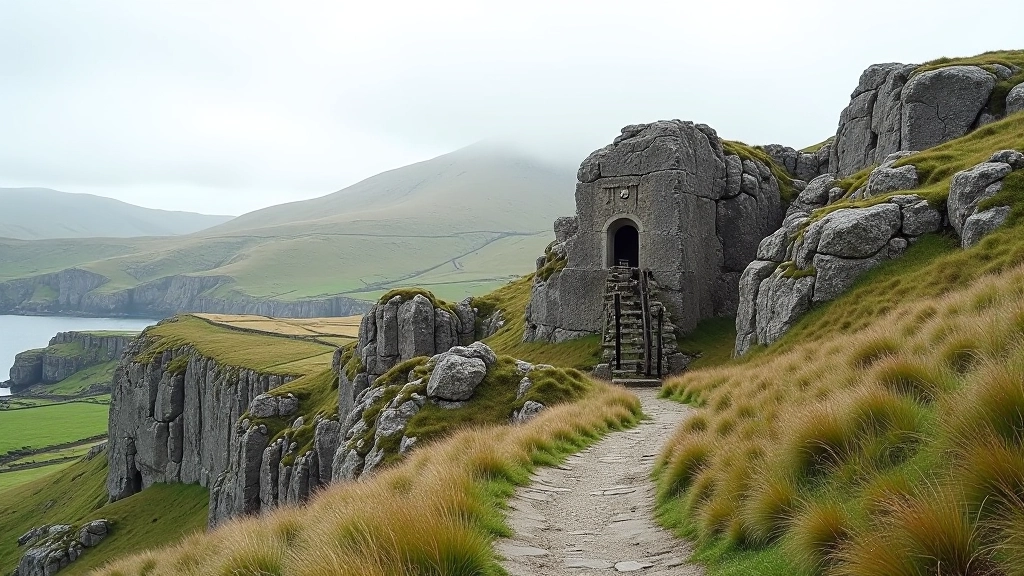
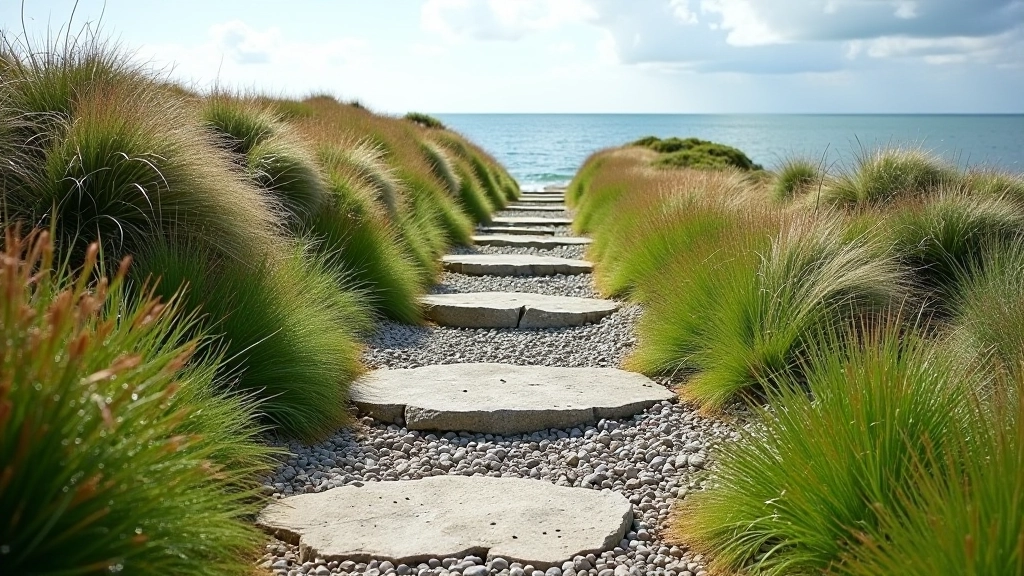
Not all paths are created equal. The Allihies trail includes sections of compacted earth, loose gravel, and stone steps. The Beara Peninsula shore walk has firmer ground but can be uneven in places. You'll want to check what you're getting into before you head out.
Hard surfaces like tarmac are easier on your joints and easier to walk on if you're recovering from anything. Loose gravel? That takes more concentration and effort. Grass can hide uneven ground. Stone steps need proper footwear and can be tough on knees if you're going downhill.
We recommend checking recent route reports before you go. Weather changes everything — what's a solid path in June becomes slippery in wet weather. Ask locals or check online forums. They'll tell you exactly what conditions are like right now, not what they were last month.
Building in Rest Stops and Recovery Time
This is the bit most people get wrong. You don't need to walk for 2 hours straight. In fact, you shouldn't. Breaks aren't failure — they're smart planning.
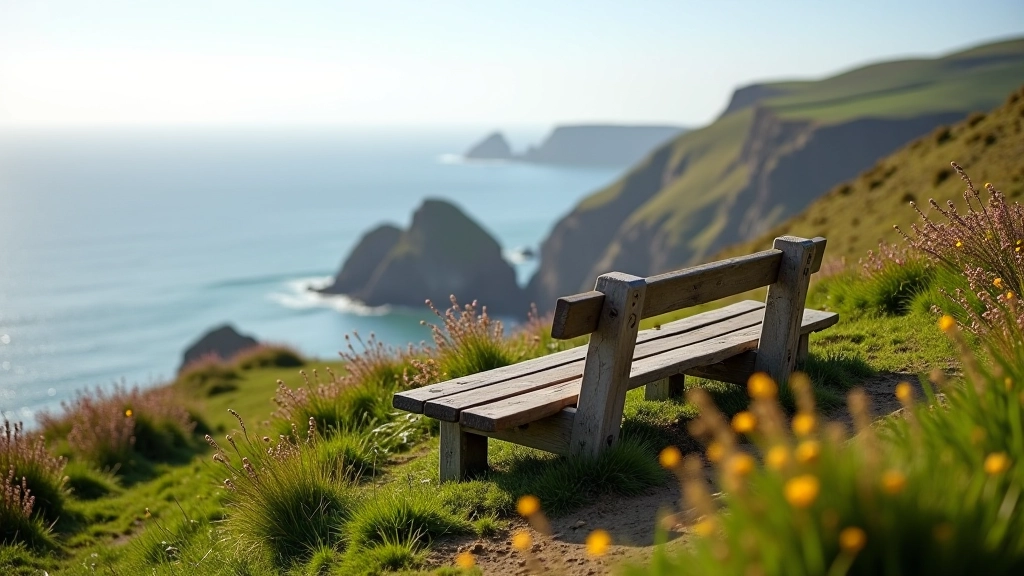
On the Allihies route, there's a bench about 45 minutes in with views across the valley. Perfect spot to sit for 10 minutes, drink water, eat a biscuit. The Beara Peninsula walk has several spots where you can pause and take in the cliffs. Don't rush past them.
Rest Strategy That Works
- Plan a 10-15 minute break every 45 minutes of walking
- Bring water and a small snack — banana, nuts, chocolate
- Sit down, don't just stand around
- Use the break to check your feet and adjust anything that's uncomfortable
Most people find they can walk further and enjoy it more when they're not trying to prove anything. You're not in a race.
Distance, Pace, and Building Up Gradually
Here's the truth: you can't do 10km on day one if you haven't walked that far in years. It doesn't work that way. Your body needs time to adapt.
Start with 2-3km walks on flat ground. That's roughly 30-40 minutes of gentle walking. Do that for 2-3 weeks. Your legs will thank you, and you'll build confidence. Then step it up to 4km with a bit of incline. After another few weeks, try 5-6km.
The Allihies route is about 6km for the full loop. The Beara shore walk can be 4-5km depending on which section you choose. Neither is a casual stroll, but they're both doable if you've built up properly. What matters is consistency — walking twice a week is better than one long walk followed by two weeks off.
And here's something people don't talk about: downhill is often harder than uphill. Your knees take more impact. Slow down on the descent. Use walking poles if you've got them. There's no prize for speed.
What to Bring and When to Turn Back
Essential Kit
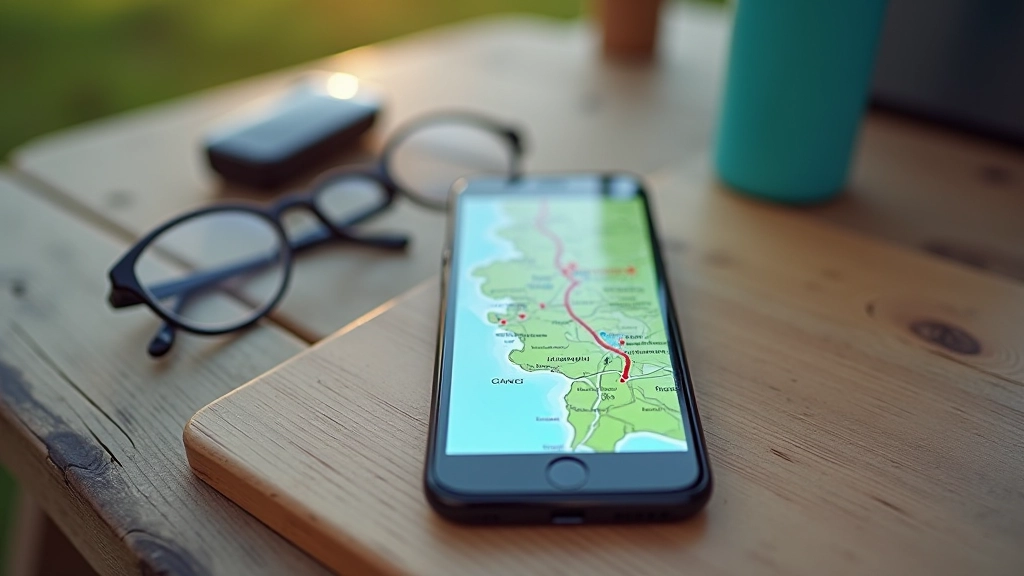
Good walking shoes (broken in, not new). A light waterproof. Two litres of water. Phone charged. Snacks. A small first aid kit. Hat and sunscreen. Stick to these basics — you don't need a huge backpack.
Weather Awareness
Cork coast weather changes fast. Check the forecast the night before and the morning of. Wind can be a factor on exposed clifftop walks. Rain comes without much warning. If conditions look dodgy, postpone. The trail will still be there next week.
Know Your Limits
If your knees start hurting, stop. If you're feeling dizzy or short of breath, sit down. Don't push through pain hoping it'll pass. Listen to your body. Turning back isn't giving up — it's being sensible.
Walking With Others
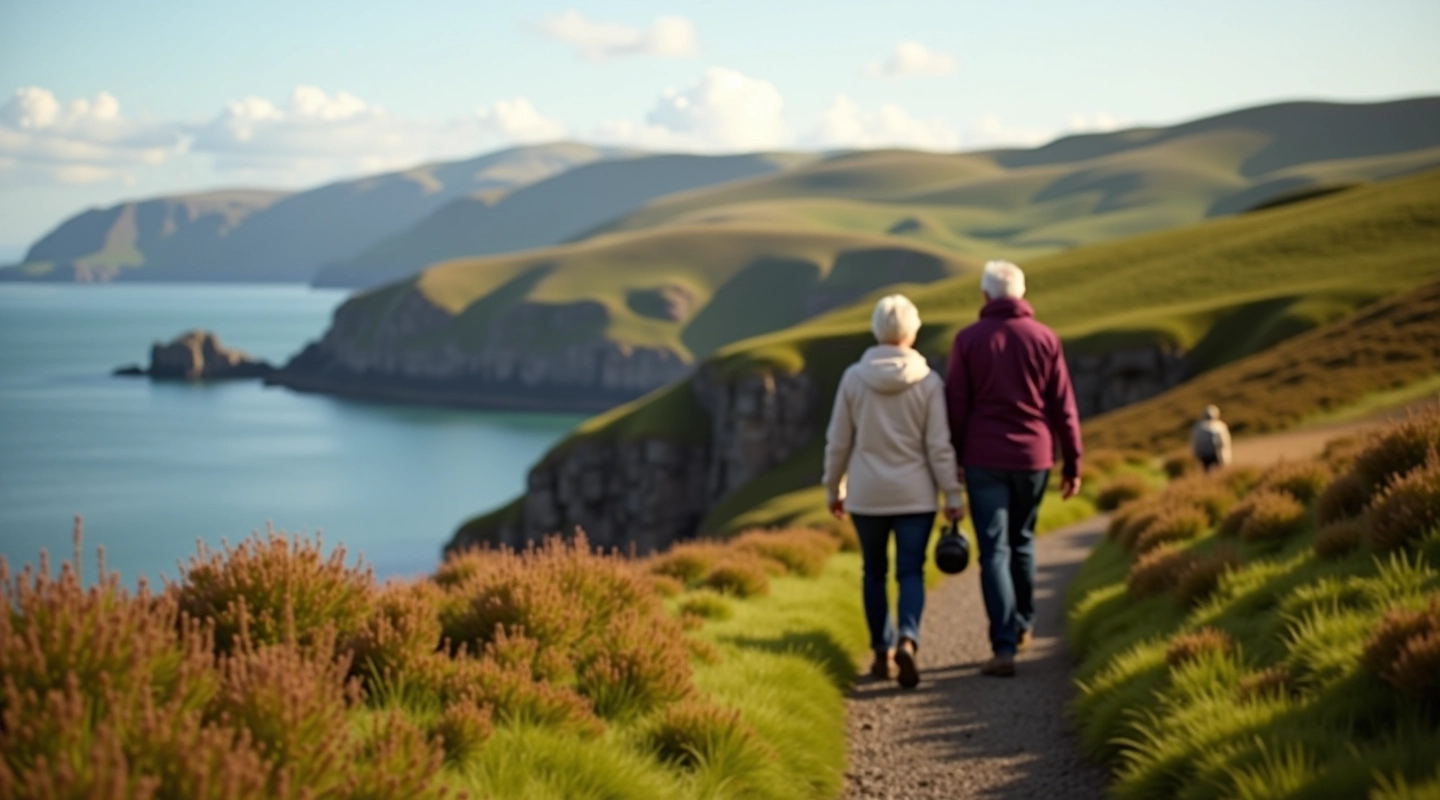
Bring someone with you if possible. It's safer, more fun, and someone's there if you need help. Let someone know where you're going and when you expect to be back. Simple precautions make a difference.
Accessibility and Adaptations
Not everyone can walk the full routes, and that's completely fine. You've got options.
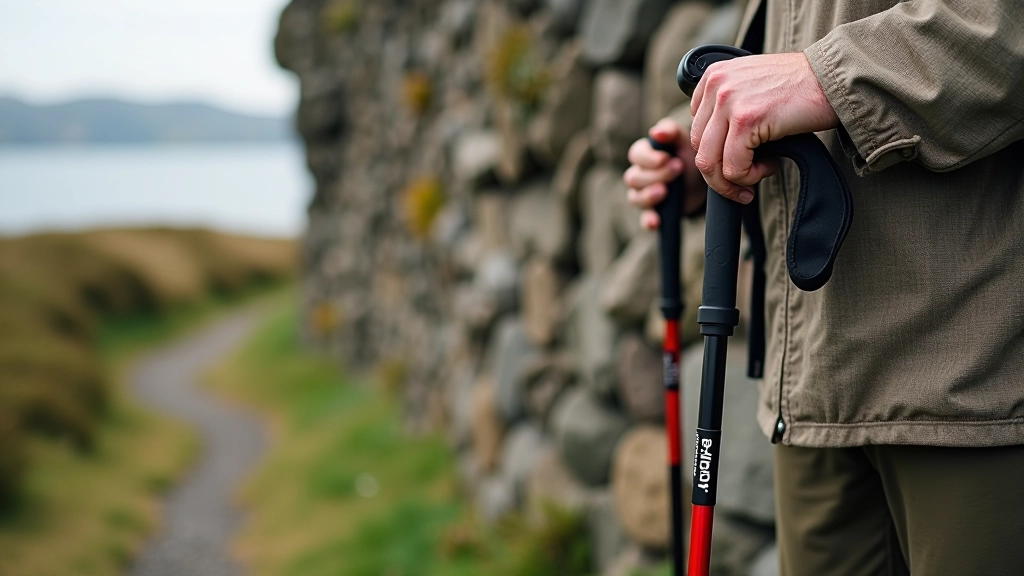
Walking poles take strain off your knees and hips. They give you stability on uneven ground and actually make you a stronger walker overall. They're not just for mountaineers — plenty of people use them on gentle trails.
The Allihies route has a shorter loop option that's about 3km and less steep. The Beara shore walk can be done in sections — you don't have to do the whole thing. Parking spots along the way mean you can walk out and back without committing to the full distance.
If you're managing arthritis or joint issues, walking on firmer ground is easier than loose gravel. Time your walks for when you feel best — some people are better in the morning, others prefer late afternoon. There's no wrong choice.
Before You Go
Choose activities that match your fitness level, check local conditions before travelling, and speak with your GP if you have health concerns before starting a new activity. Weather on the Cork coast can change quickly, and coastal paths have uneven terrain — take time to assess what you're comfortable with.
Getting Out There
The Allihies copper mines trail and Beara Peninsula shore walk are genuinely brilliant routes. You'll see real industrial heritage, dramatic cliffs, and some of the most beautiful coastline in Ireland. That's worth the effort of planning properly.
Start where you are. Build gradually. Take your time. Bring someone with you. Check the weather. Wear decent shoes. And remember — the point isn't to finish fast. It's to enjoy where you are right now.