The Copper Rush of the 19th Century
The Allihies mines weren't always abandoned. From the 1820s onward, this remote corner of West Cork became one of Europe's most important copper-producing regions. Miners arrived from Cornwall, Wales, and beyond, transforming the landscape with their picks and explosives.
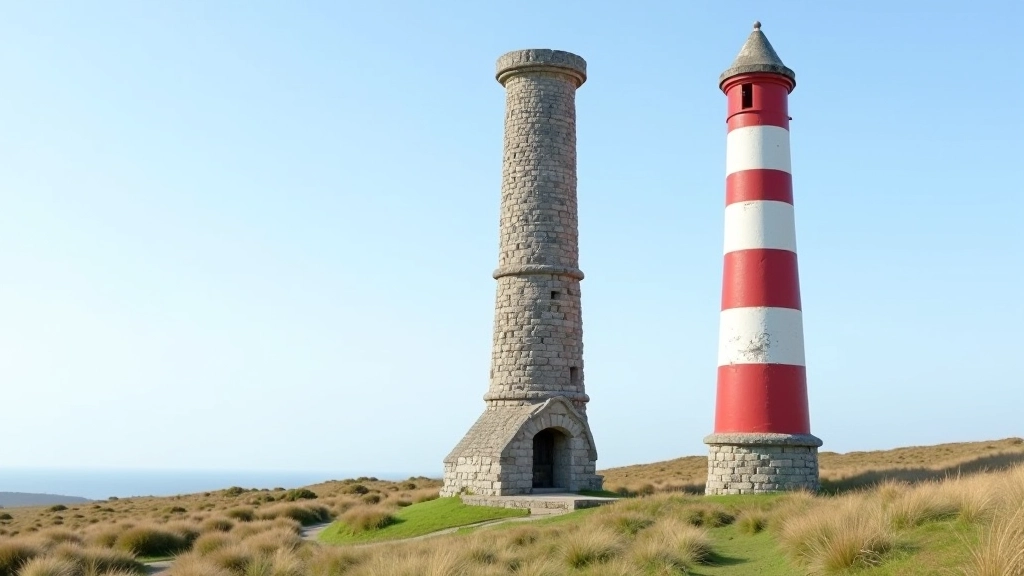
At peak production in the 1860s, the mines employed over 1,200 people. That's remarkable when you consider how isolated this peninsula is today. The scale was enormous — shafts plunged 400 meters into the earth, and processing plants operated day and night. You'll find remnants of this industry scattered across the hillsides: engine houses, chimneys, spoil heaps, and the distinctive red and white striped chimney stack that's visible from miles away.
But here's the thing — it didn't last. Competition from Chilean copper and declining ore quality meant the mines closed by 1885. Within a generation, the landscape had begun to reclaim itself.
Geology: Why Copper Was Here
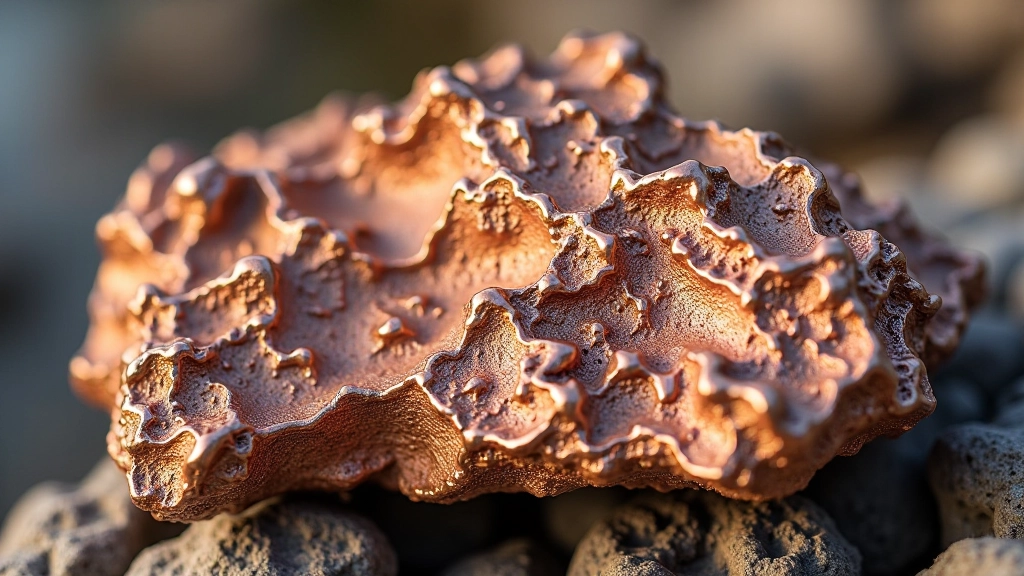
Understanding why the mines exist here requires looking at the geology. The Allihies area sits on Devonian slate and quartzite, rock formations that are roughly 380 million years old. During the Hercynian mountain-building event, hydrothermal fluids carrying dissolved metals moved through fractures in the rock, depositing copper and other minerals as they cooled.
The copper ore here exists as chalcopyrite and other copper sulfides. You won't see obvious copper color in the rocks — instead, you'll notice the reddish-brown iron oxide staining where copper minerals have weathered. This is called "gossan," and it's what tipped off the early miners. They didn't need fancy geology degrees; they just looked for the discolored rock.
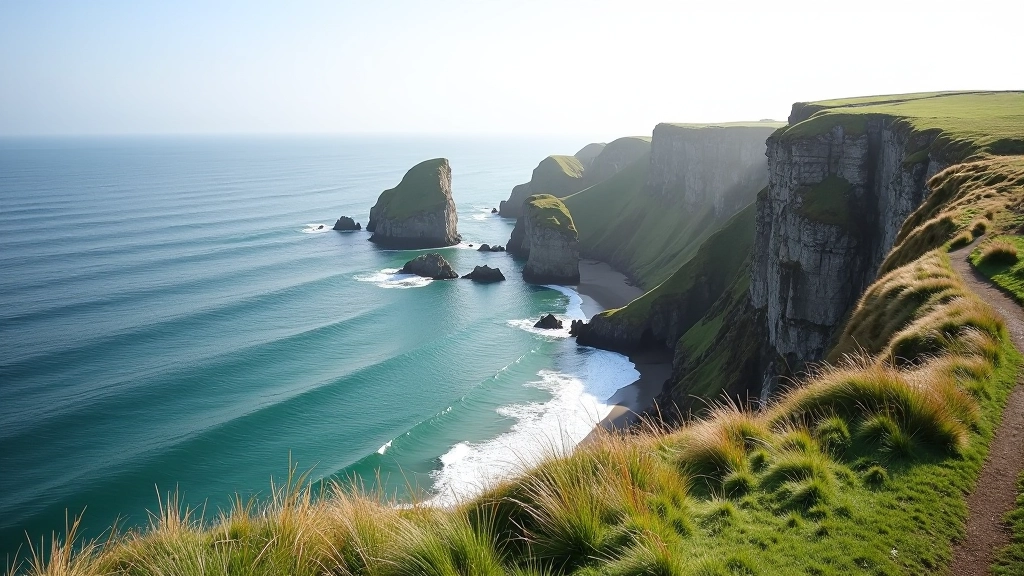
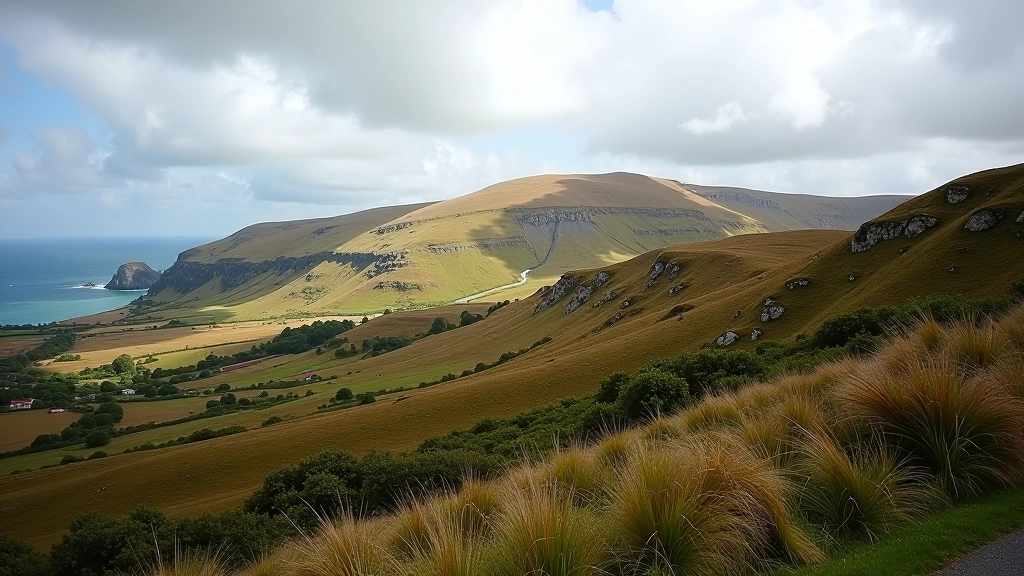
The landscape itself reflects this geology. The steep valleys and rocky outcrops aren't random. They're shaped by harder, more resistant rock types. Softer slate has weathered away more quickly, leaving the tougher quartzite ridges standing proud.
Important note: Choose activities that match your fitness level, check local conditions before travelling, and speak with your GP if you have health concerns before starting a new activity. Some mine ruins are unsafe — always stay on marked paths and respect safety barriers around excavations.
What You'll Actually See on the Ground
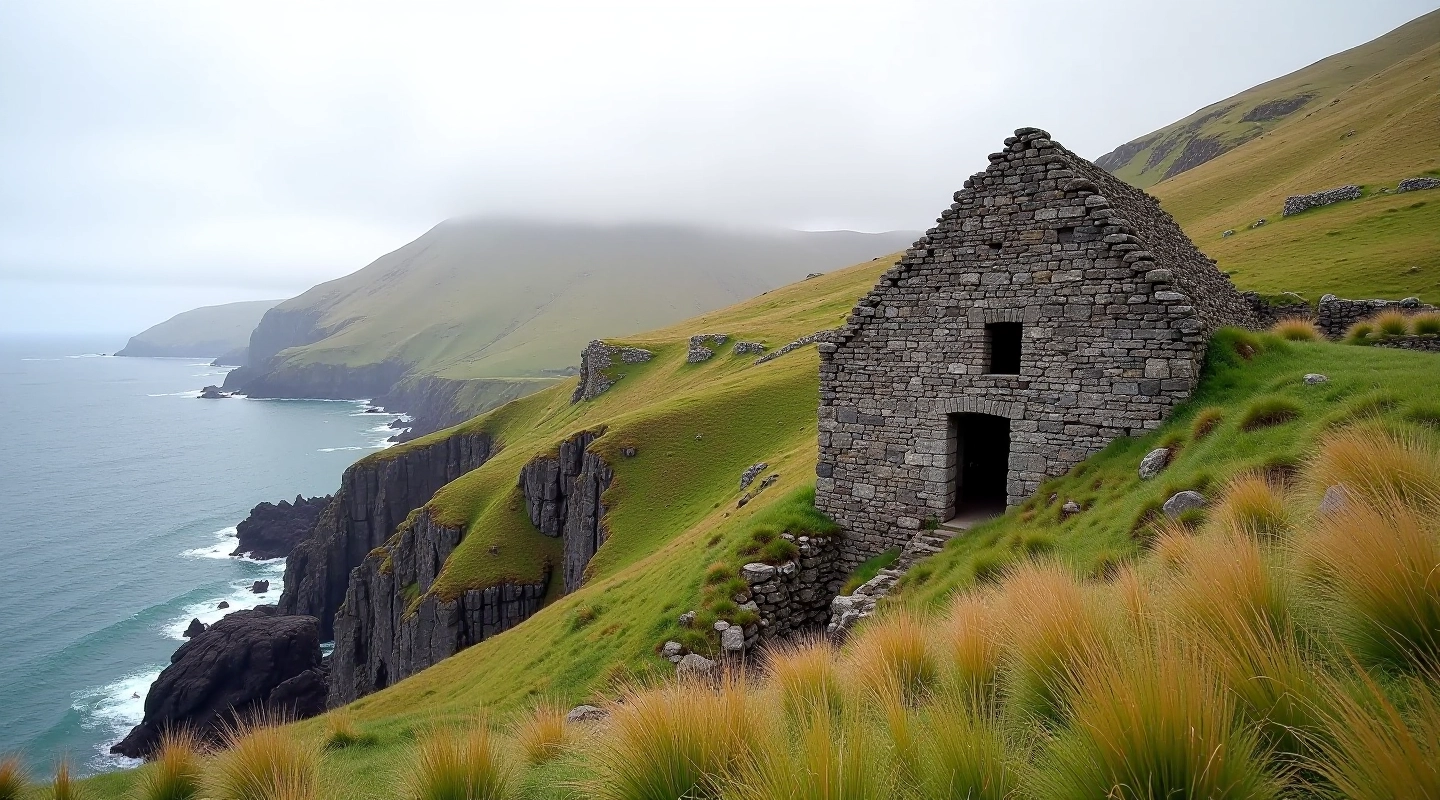
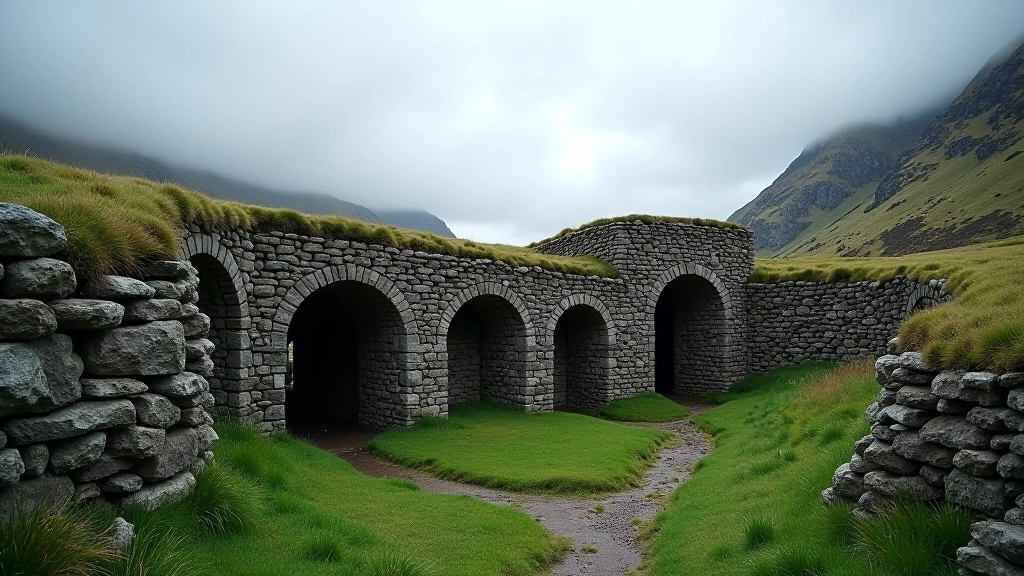
Walking through Allihies, you don't need to be a mining engineer to spot the evidence. The landscape tells the story if you know what you're looking at. The most obvious features are the engine houses — sturdy stone buildings with tall chimneys. These housed the steam engines that pumped water out of the mines and powered the crushing machinery.
Look for spoil heaps, too. These are piles of waste rock from mining operations. They're covered in vegetation now, but they're distinctly different from natural hillside. The rock is jumbled, not layered like undisturbed geology. You'll often spot quartz veins in this spoil, sometimes with copper staining.
The strangest features are the underground shafts and adits (horizontal mine entrances). Many are now sealed with modern gates for safety, but you can still see the dark openings and the piles of worked rock around them. Don't attempt to enter — the air quality inside old mines can be poor, and structural stability is uncertain.
The Landscape Story
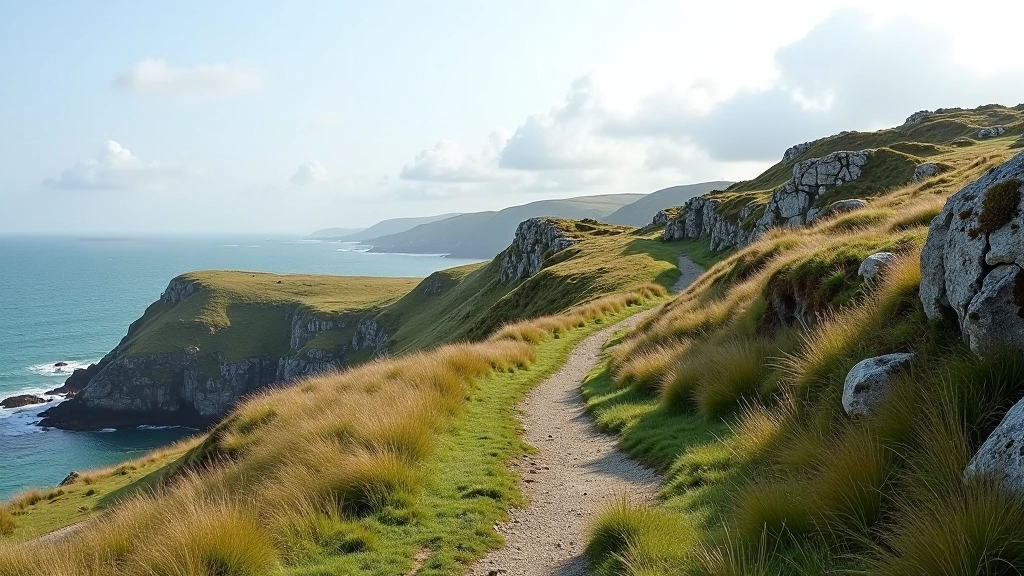
What's remarkable is how nature has reclaimed this industrial site. Over 140 years, the mines have transformed from a scarred, busy landscape back into something wild and beautiful. You'll find heather and gorse growing on the spoil heaps, stone walls have developed lichen and moss, and the whole area now blends seamlessly with the surrounding Beara Peninsula.
This isn't just environmental restoration — it's a reminder that landscapes aren't permanent. The mines dominated Allihies for just 60-70 years. In geological time, that's a blink. The rock formations are 380 million years old. That puts human industry in perspective.
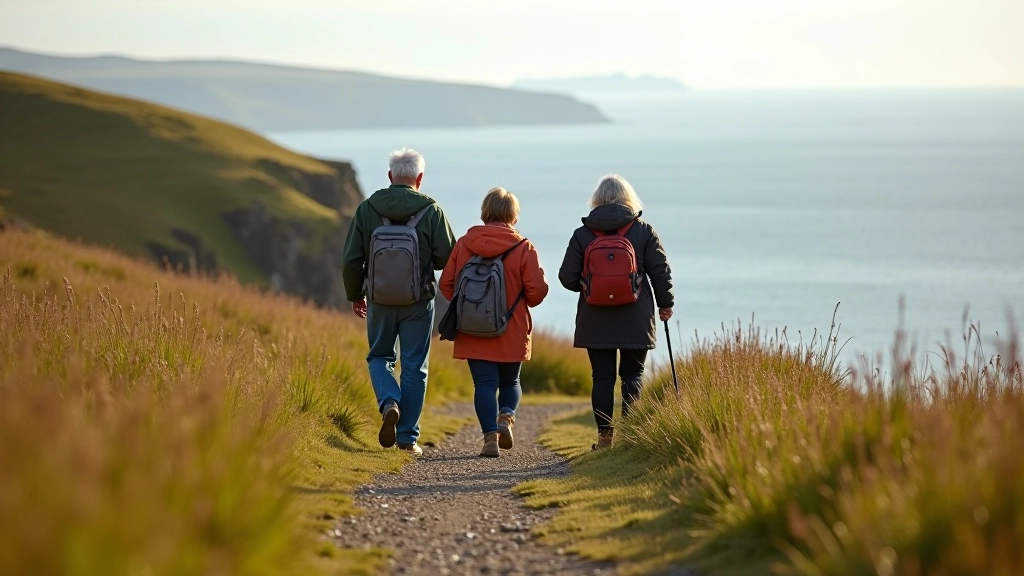
Walking through the area today, you're seeing layers of history. The bedrock tells the story of ancient oceans and mountain-building. The mine ruins tell the story of 19th-century ambition and economic change. And the vegetation tells the story of resilience. It's one of the most complete industrial heritage landscapes in Ireland, and it's accessible to anyone willing to take a walk.
Bringing It All Together
The Allihies mines represent a perfect convergence of geology, history, and human ambition. The rocks were right — they contained copper worth extracting. The technology was right — steam engines and explosives made deep mining possible. The economics were right — European markets wanted copper. But it didn't last, and that's okay. What we're left with is a landscape rich with stories, geology lessons written in stone, and a genuine sense of how places change over time.
Next time you're walking through the Allihies area, you'll see it differently. That pile of stones isn't random debris — it's processed ore. That chimney isn't decorative — it's a testament to engineering. Those rock colors aren't accidental — they're telling you about the minerals that made this place economically important. You're not just taking a walk; you're reading a book written in landscape and geology.